TrustNode: Decentralized Document Integrity
Backend & Protocol Engineer
The Problem Space
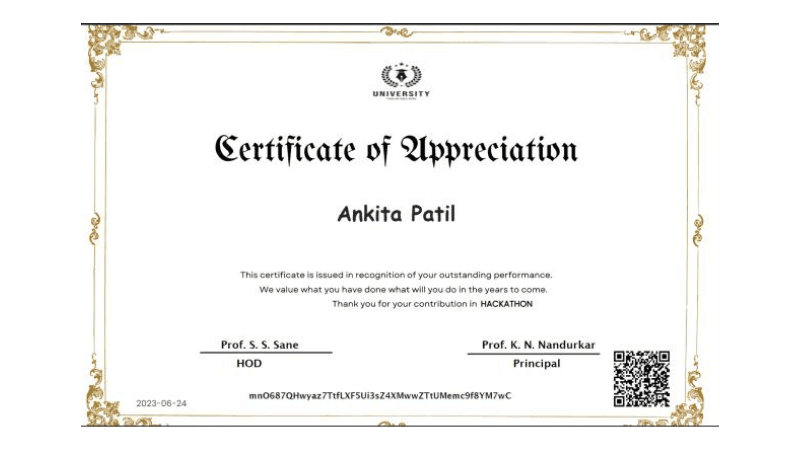
Standard digital certificates are vulnerable to metadata manipulation and unauthorized duplication. I engineered TrustNode to move document validation from a 'check-against-database' model to a 'cryptographic proof' model. By using Content-Addressable Storage (CAS), the document's identity is inextricably linked to its binary data, making any alteration immediately detectable.
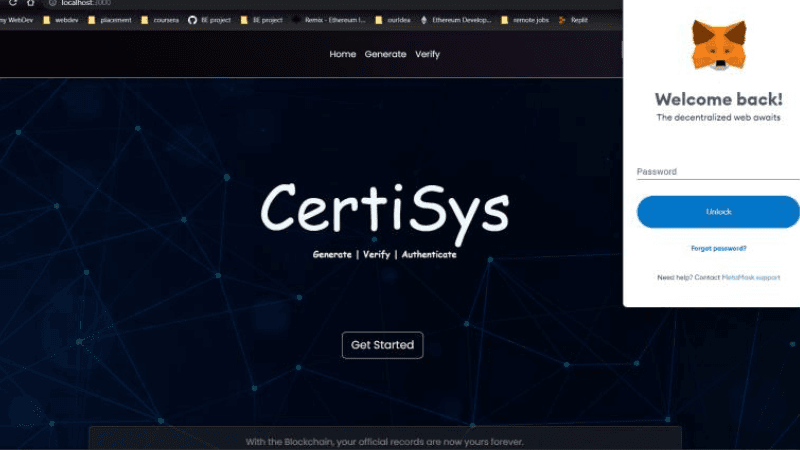
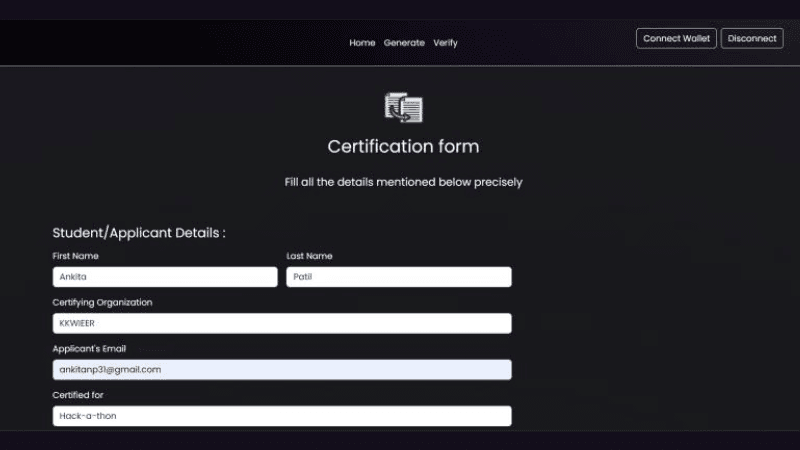
Protocol Interface & Verification Flow
Core Infrastructure & Cryptography
The system relies on immutable storage primitives and hashing algorithms to ensure zero-trust verification.
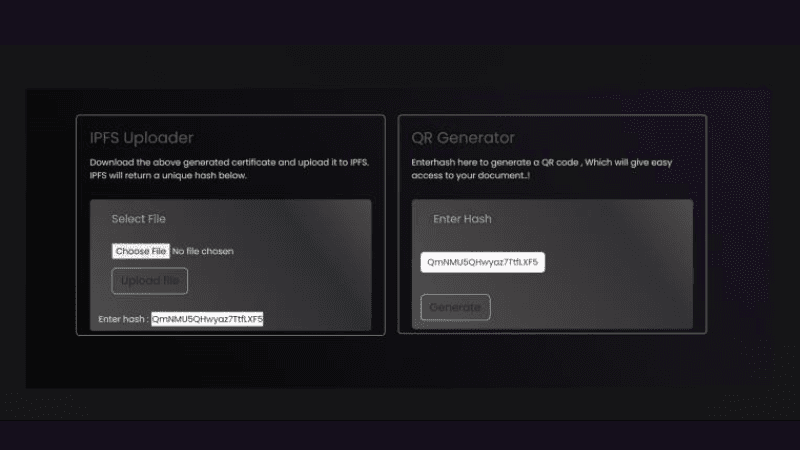
- Content-Addressing: Utilized IPFS to generate unique Content Identifiers (CIDs). If a single pixel in a certificate is changed, the resulting CID fails to match the original anchor.
- Hash-Locked Verification: Implemented SHA-256 checksums to validate the integrity of retrieved assets during the re-computation phase.
- Stateless Validation: Engineered the verification logic to be entirely stateless, allowing any node in the network to verify a document without access to a centralized SQL database.
- Zero-Trust Architecture: Designed the flow so that even the issuing authority cannot modify a document once it is anchored to the decentralized web.
Architectural Trade-offs
- Storage Layer: Chose IPFS over traditional S3 buckets to eliminate the 'Single Point of Failure' and ensure document persistence via content-addressing rather than location-addressing.
- Hashing Strategy: Standardized on SHA-256 for the optimal balance between collision resistance and computational efficiency on client-side browsers.
- User UX: Integrated QR-based CIDs to bridge the gap between physical certificates and digital verification without requiring users to manually handle cryptographic strings.
Engineering Outcome
This project serves as a robust proof-of-concept for decentralized document management. It successfully demonstrates how cryptographic hashing and P2P storage protocols can be combined to create a tamper-proof ecosystem for academic and professional credentials.