SaaS Foundation: Multi-Tenant Architecture
Full-Stack Product Engineer
The Architectural Objective
The primary engineering goal was to design a 'Secure-by-Default' multi-tenant environment. Unlike flat-table structures, I implemented strict data scoping and a membership-based identity model. This ensures that organizational data remains isolated while providing a seamless onboarding experience via an invite-driven lifecycle.
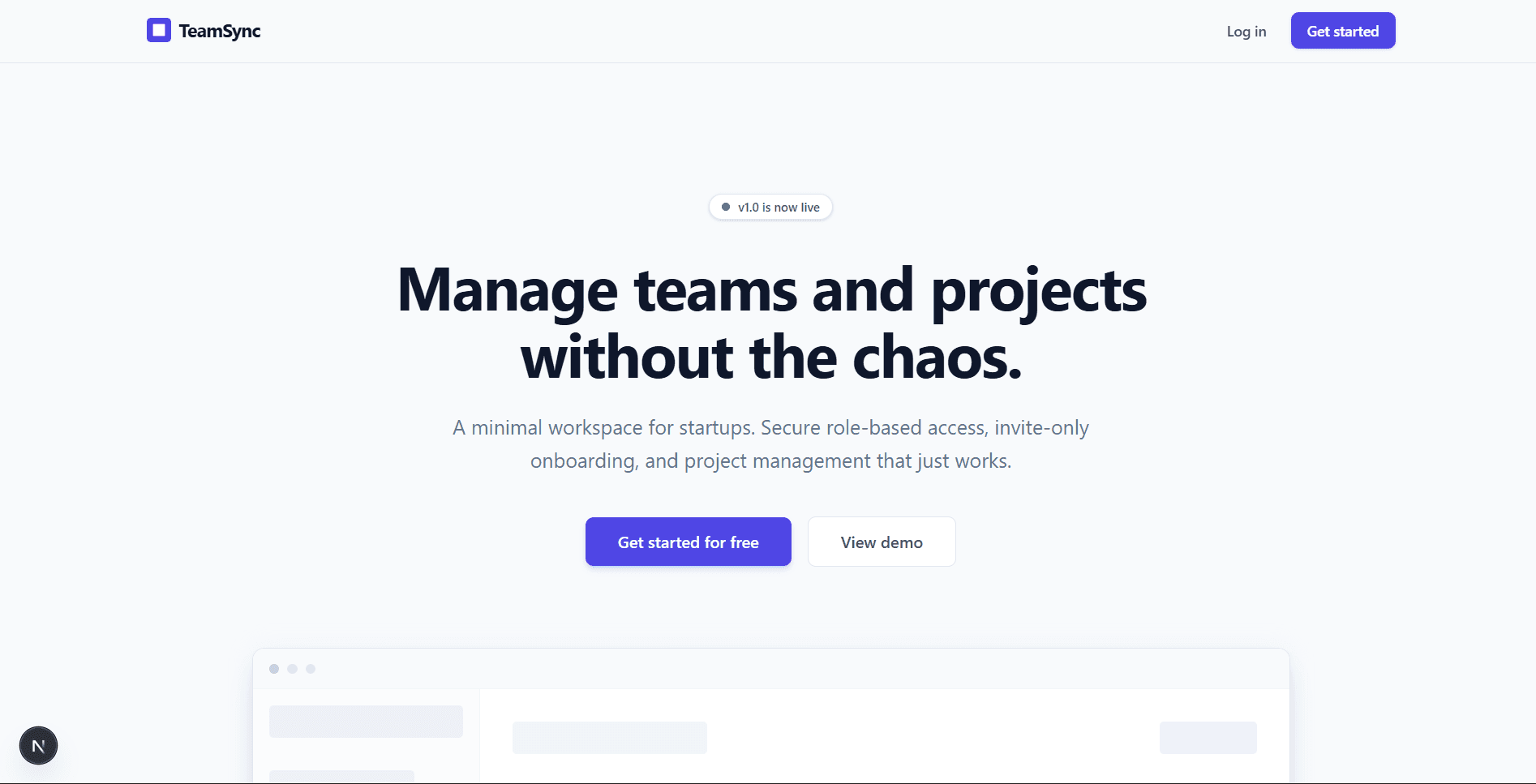
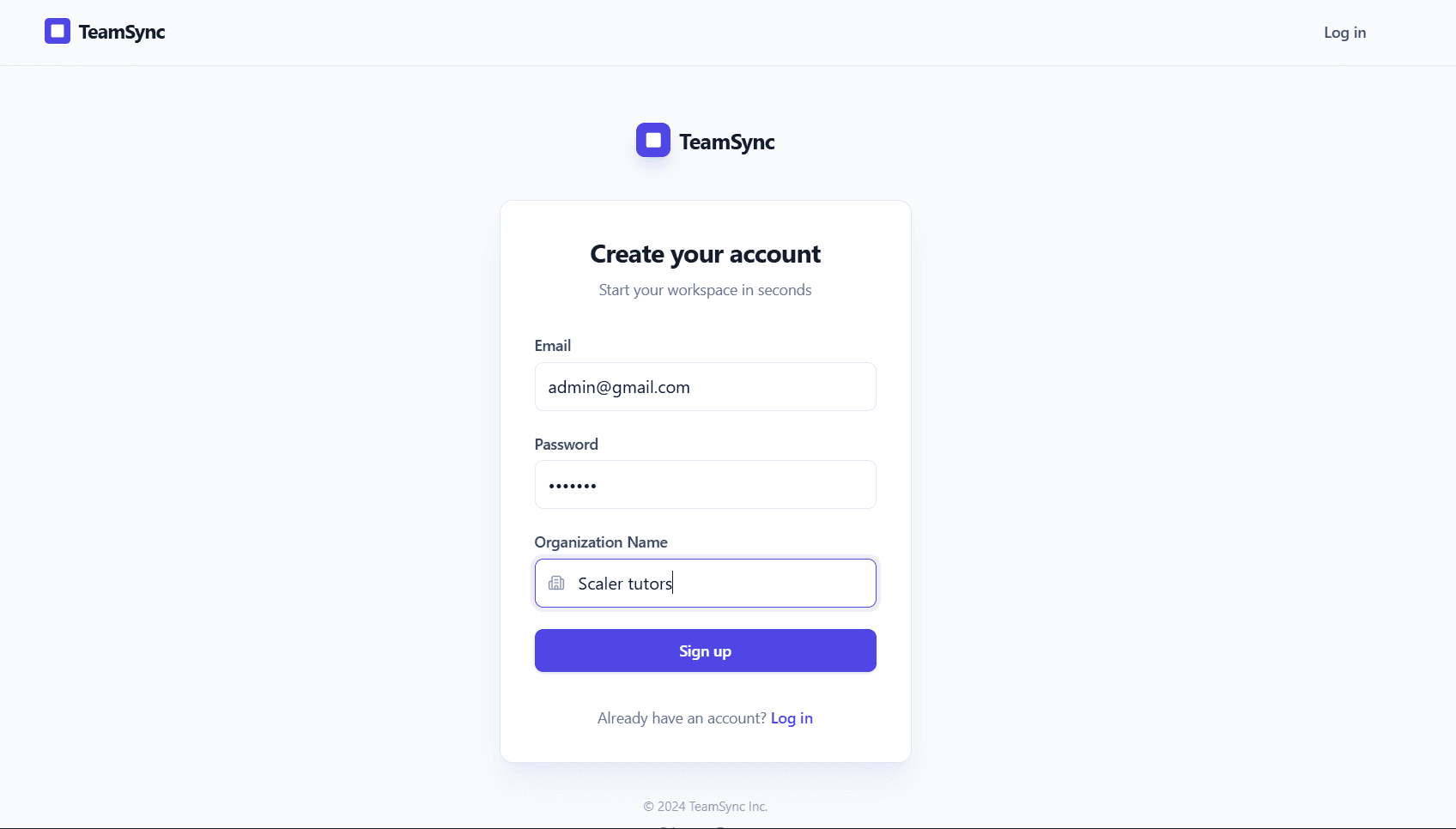
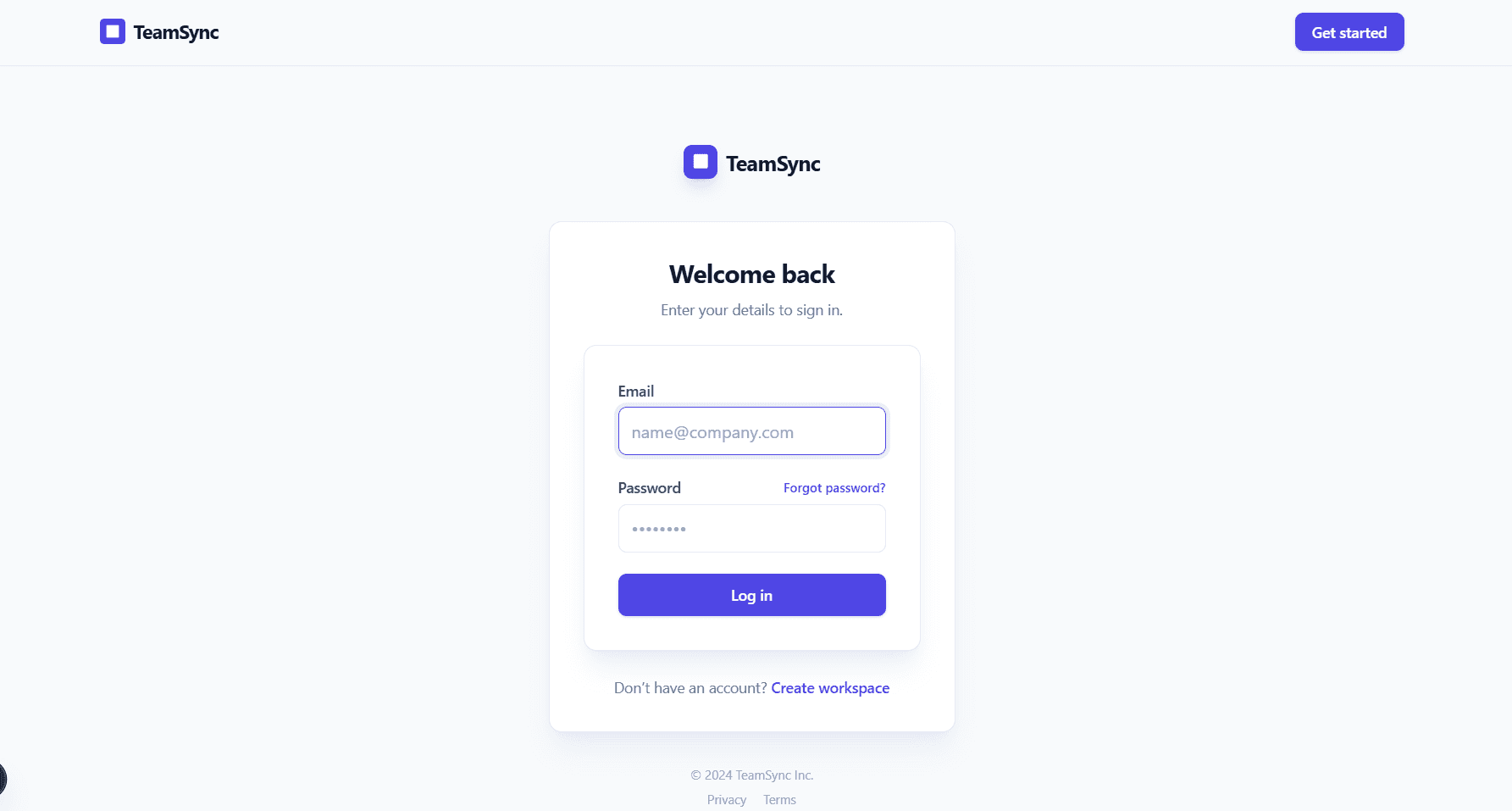
Product Workspace & Auth Flows

Backend Engineering & Tenant Isolation
Utilized Ruby on Rails as a high-integrity API-only layer, focusing on resource security and clear RESTful contracts.
- Explicit Tenant Scoping: Engineered a modular scoping mechanism that automatically filters all database queries based on the authenticated tenant context.
- Invite Lifecycle Management: Developed a state-driven onboarding system (Created → Sent → Accepted/Expired) to manage secure organizational growth.
- Role-Based Access Control (RBAC): Implemented membership roles to govern permissions at the resource level, ensuring granular security across organizations.
- Stateless API Design: Optimized the backend for scalability by utilizing JWT for identity verification, removing session-state overhead from the Rails app.
Frontend Reliability & State
The frontend is designed as a thick-client application, managing complex states and authenticated layouts.
- Client-Side Cache Management: Leveraged TanStack Query for server-state synchronization, implementing intelligent cache invalidation after mutations.
- Authenticated Layout Guards: Engineered a layout-driven routing system that separates public, onboarding, and authenticated workspaces.
- Unified Identity Hook: Built a centralized /me endpoint integration to act as a single source of truth for user profile and organizational context.
Engineering Trade-offs & Logic
- Framework Synergy: Chose Next.js for its superior rendering strategies and Rails for its mature security defaults (Active Record, strong parameters).
- Authentication Strategy: Opted for JWT to facilitate a clean separation between the Next.js frontend and Rails API, avoiding CSRF complexities of session cookies in a decoupled setup.
- Onboarding UX: Prioritized an 'Invite-First' model to minimize unauthorized tenant creation and streamline enterprise-style user acquisition.
Technical Outcome
This project serves as a production-ready blueprint for SaaS development. By prioritizing architectural correctness—specifically tenant isolation and clear API contracts—the system provides a reliable foundation for scaling complex organizational workflows without compromising security or maintainability.